
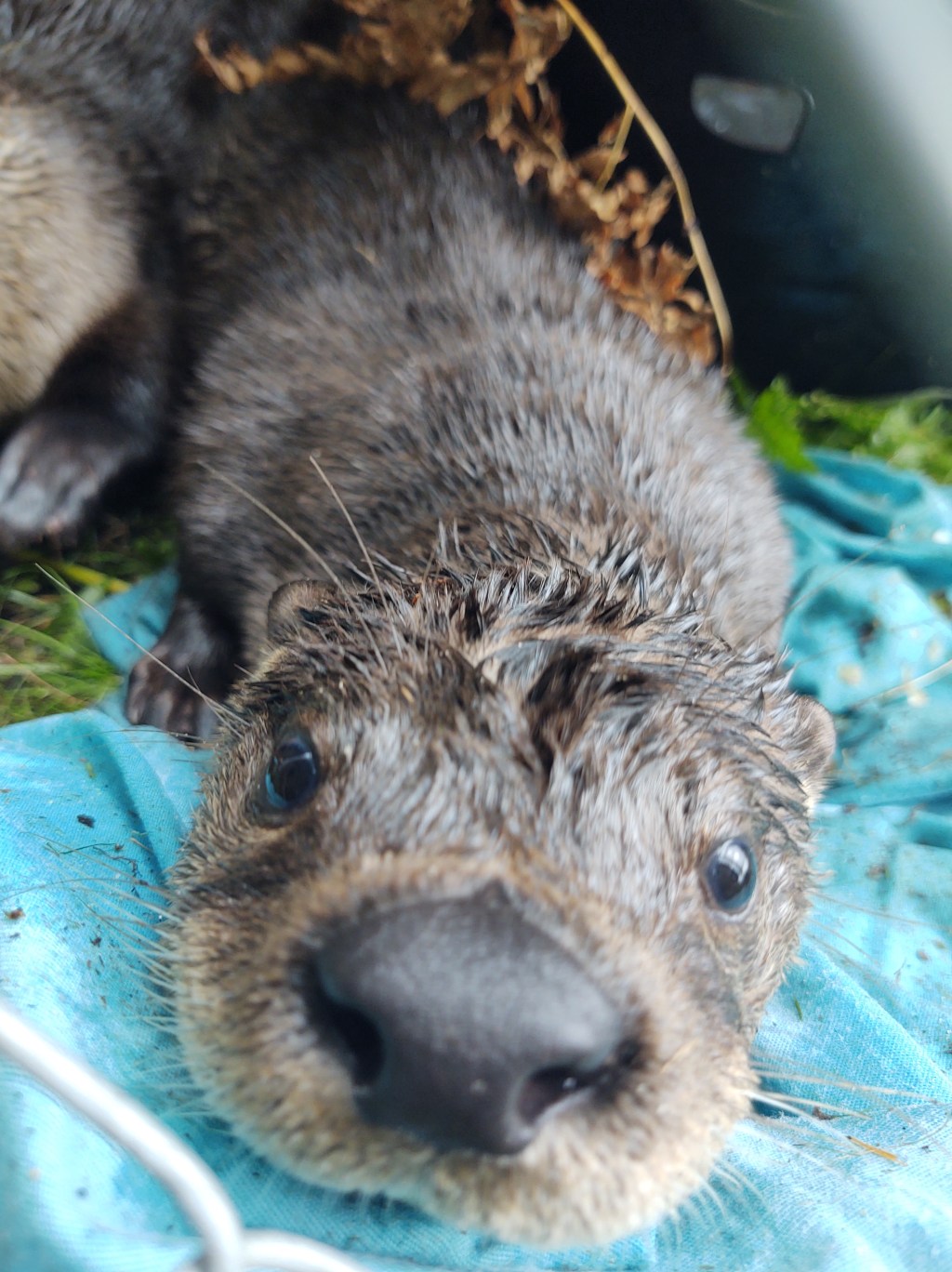
By now we’ve all run out of words to describe 2020 so far. You’ve heard them all, some repeated many times and others not repeatable in mixed company. We have no words left.
All of us are exhausted trying to keep our families safe. In addition to our human families, wildlife rehabbers and wildlife zookeepers around the world are trying to keep their animal families safe as well.
Any time a new disease appears in Wisconsin wildlife, wildlife disease specialists develop new protocols to protect all of Wisconsin’s wildlife. West Nile Virus, Chronic Wasting Disease and White-nosed Syndrome are recent diseases that all changed the way we could treat wild animals in our care. Each of those diseases, though, we could see advancing upon Wisconsin allowing more time for new policies and protocols to be established.
SARS-CoV2 is a whole different story. No slow advance with warning ahead of its arrival. While many coronaviruses coexist with and have been studied in wildlife, this particular one is a big unknown. Wildlife disease specialists, like most health specialists, are being cautious because there is a lot at stake.
Wild Instincts deals with many species who are considered susceptible to SARS-CoV2 so we have had to adjust protocols. In April, we closed all buildings to volunteers and non-essential people. We added another layer of extra bio-security measures in dealing with certain species. Disease control and contamination mitigation are things wildlife rehabbers routinely deal with on a daily basis. This is just a new reason and another layer of protocols.
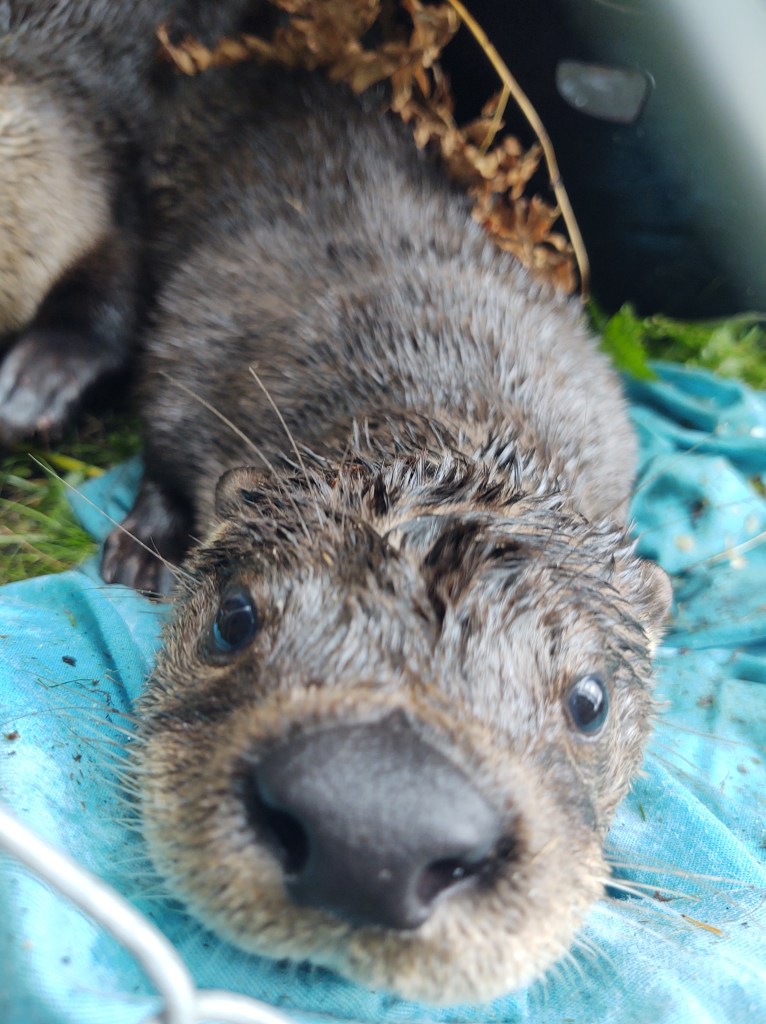
All that being said, it’s bittersweet today to share the 2020 river otter release.
River otters are a member of the mustelid family; a family that has been determined to be susceptible to SARS-CoV2. Despite the fact we have had our own policies in place since the river otters were admitted, 13 days before their scheduled release, we were suddenly told we would be unable to release them. Domestic mink, also a member of the mustelid family, in Utah had just tested positive for SARS-CoV2. We spent several days outlining arguments of how our river otter were different than farmed mink and pointed out we had been following protocols even though they hadn’t mandated from the beginning. We were given permission to release them.
That’s the sweet part.
The not-so-sweet part is as of Friday, August 21, 2020, wildlife rehabilitators in Wisconsin are no longer able to admit/treat any member of the Mustelid or Felid families until further notice. Except for animals in such condition that immediate euthanasia would be warranted.
This means we cannot admit any more otter, mink, weasel, badger, fisher, or bobcat. If you find any of these animals in need of help, please do not approach them. Call your local WDNR Wildlife Biologist. Click on this link, search the directory for ‘wildlife biologist’ and select the county of interest.
 Wild Instincts
Leave a comment