

Now is the time of year mice and other little creatures are looking for a good place to spend the winter. Chances are your garage, your barn, your shed or even your house look much more inviting and warm than the great soon-to-be-white-&-frozen outdoors.
People are looking for ways to keep these pesky critters out of their living space. A long-time solution has been and still is to actually turn to poisons like D-con®.
Rachel Carson’s 1962 book Silent Spring brought attention to the perils of the indiscriminate use of pesticides. Changes came about, but the use pesticides with no thought of the bigger picture is still a much too common practice.
So let’s talk about the bigger picture.
In 1948 Warfarin was introduced as a rodenticide. It was developed in Wisconsin and partially funded by the Wisconsin Alumni Research Foundation (the WARF of Warfarin). It works by interfering with the blood’s ability to clot, causing the animal to bleed to death internally.
Rodents began to develop genetic resistance to warfarin so second generation anticoagulants were developed. Probably the most common and therefore most well-known would be d-CON® (using the chemical ingredient brodifacoum) or TomCat® (using the chemical ingredient bromadiolone).
These second generation anticoagulants were more toxic than the first generation. Part of that is because they are longer acting and they bioaccumulate leading to biomagnification. In short, the chemical is not broken down before the little creature dies so is still present in its body. A wild animal like a raptor finds the little creature for breakfast and ingests the toxin the animal had in its body along with the body. Then in finds another for lunch and another for dinner and another for a bedtime snack. Viola. Now the hawk or eagle has ingested 4x the amount used to kill little creatures.
This is a major problem for wildlife. Part of the big picture we must think about when trying to keep the mouse out of our house.
The Environmental Protection Agency recognized this and developed new regulations regarding rodenticides supposedly with this in mind.
In 2011, new regulations restricted the residential use of second generation anticoagulants. The regulations stated the only allowable active ingredients for residential or consumer use were the first generation anticoagulants, vitamin D3 or bromethalin, or zinc phosphate (used in specialty applications). Manufacturers knew mice had developed a resistance to the first generation anticoagulants so looked at the other possibilities. The choice was to start to use bromethalin (a neurotoxin with no antidote) or cholecalciferol (vitamin D3.).
Neither of these ingredients have a safe, easy, inexpensive antidote like the anticoagulants. Vitamin D3 was chosen because of the risk to kids and pets of the neurotoxin with no antidote (bromethalin).
You may be thinking D3 is in my vitamin supplement. How can it be used in rat poison? Vitamin D3 is an essential vitamin we can’t live without. Normally it helps your body absorb calcium and phosphorous. In excess, however, it causes calcium and phosphorous imbalances that can lead to severe kidney failure within 48-72 hours. Soft tissues and organs may start to calcify.
These D3 rodenticides also have a narrow margin of safety which means smaller amounts cause poisonings in pets. The clinical signs may not be seen for 24-48 hours, so by the time they appear it may be too late.
These changes in product make-up initiate a huge change in the way accidental ingestions are treated. If your pet accidentally gets into the rat poison in your garage for instance. OR if a wild animal eats an animal killed with rat poison.
First and second generation anticoagulants were fairly easily treated, if caught in time. The chemicals replacing them are not.
Over the last two months we’ve seen an increase in red-tailed hawks and eagles with signs of these poisonings.
Last night we admitted an eagle with seizures and the landowner admitted to having lots of rat poison around. He even gave us the bucket. Despite our best efforts, the eagle passed away about 14 hours after he arrived.
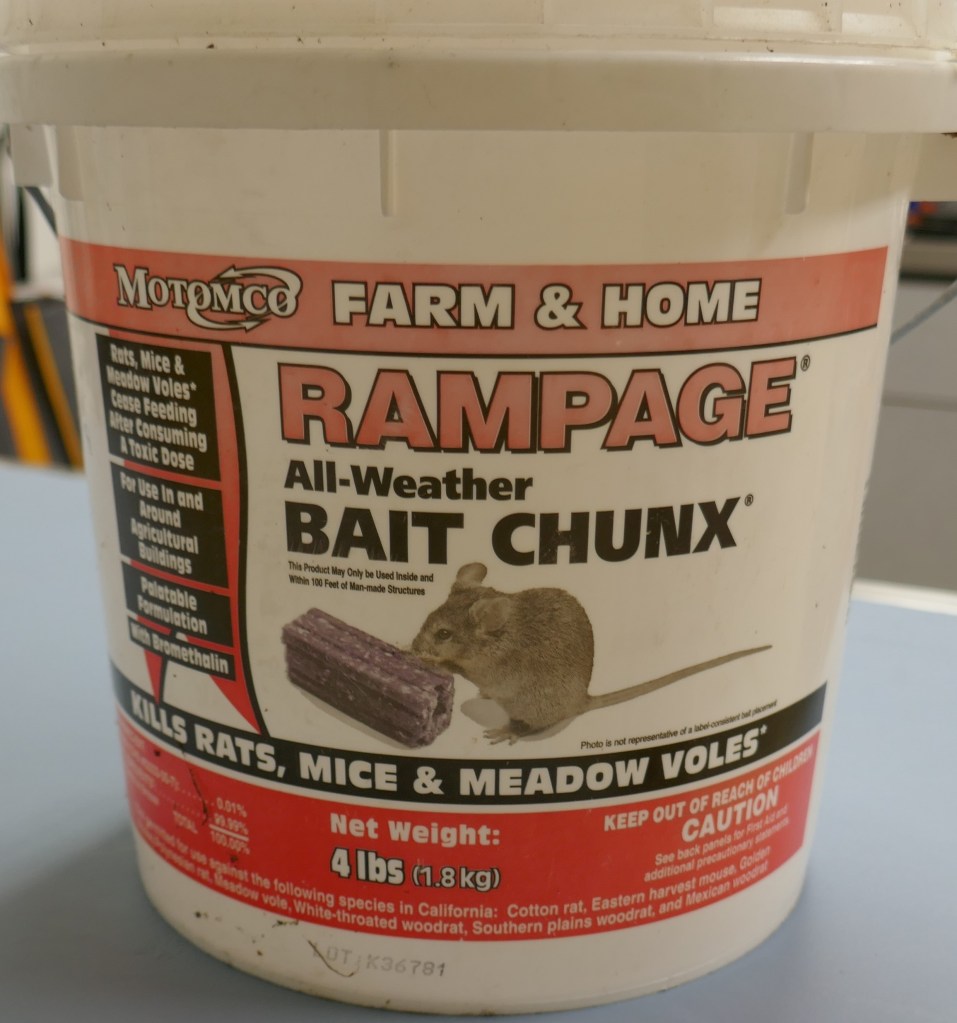
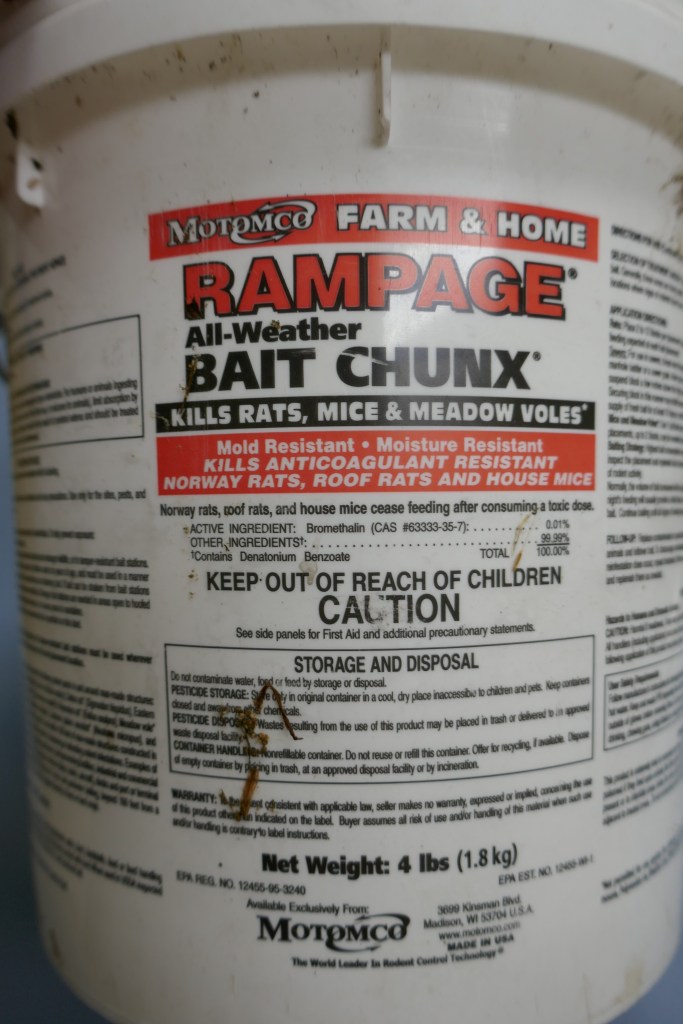
Maybe in addition to “kills rats, mice & meadow voles” we should add bald eagles to that list to help us remember the far reaching consequences of using any kind of poison.
We understand people don’t want mice or other little creatures in their homes. That’s okay. We can be good neighbors without allowing them in the door.
Please choose alternatives to ANY rodenticide.
Live traps and relocating them is one way. Make sure you relocate them far enough away they won’t beat you home. For mice, a ¼ mile should be sufficient. Note that this still puts a hardship on the animal, but it may have a chance to live a good life somewhere other than your house.
Sticky or glue traps are inhumane and the animal suffers a slow and painful death. Other animals such as birds, bats or salamanders are also victims to these.
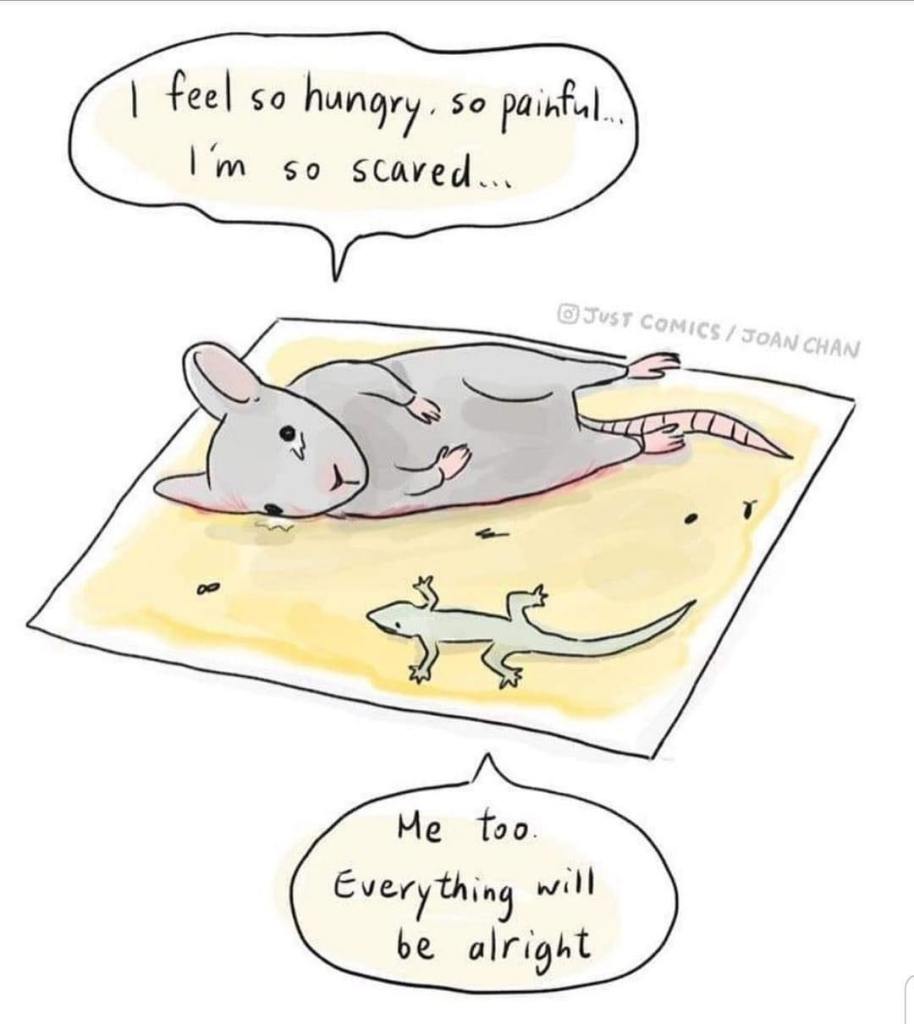
Snap traps are generally quick and deadly, but not always. They also have the potential for catching something you weren’t after.
Ultrasonic repellers or unpleasant scents may also work.
Making your home a less inviting habitat is probably the best place to start. Make sure all entry points are sealed, keep birdfeeders away from the house, seal birdseed and pet food in chew proof containers, keep the garage door closed, etc.
From mice to eagles to humans, let’s be considerate of all our neighbors.
 Wild Instincts
Leave a comment